
Explore the export opportunity for agricultural products in the Japanese market
In recent years, Vietnam's agricultural export turnover to Japan has held steady and has room to grow. If you are interested in exporting agricultural products to Japan, we can help.
An overview of the Japanese agricultural market
-
Japan imports more than 60% of its agricultural products each year, with agricultural imports worth JPY 9.1 trillion in 2023 — equivalent to the country's entire domestic agricultural output.
-
The United States is Japan's largest supplier of agricultural products, accounting for about 25% of total agricultural import value. China, Australia and Canada also hold strong positions in the market.
-
The main agricultural goods Japan imports include cereals (particularly corn and soybeans), beef and pork, processed foods and organic foods.
Top agricultural products favoured in the Japanese market
-
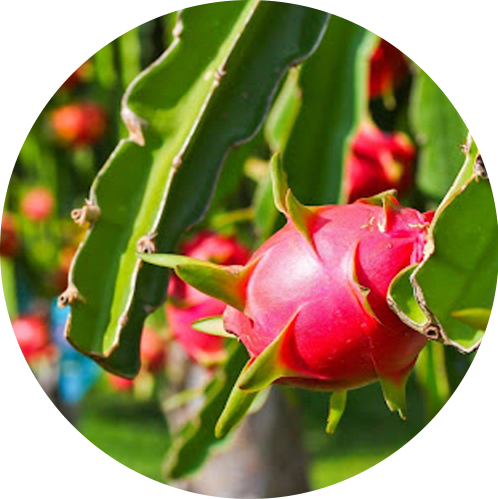 Dragon fruit
-
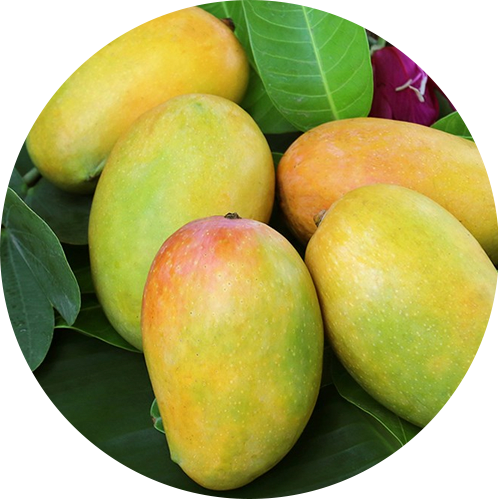 Mango
Mango
-
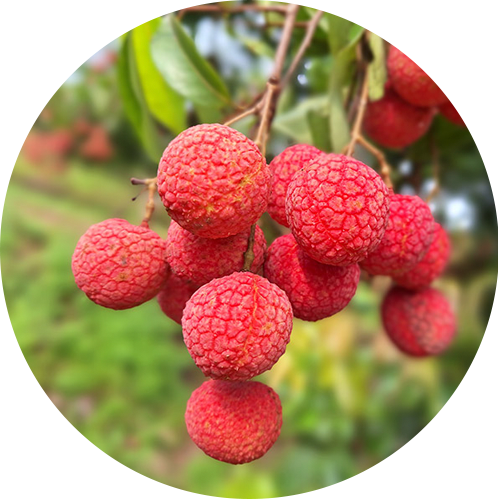 Lychee
Vietnamese lychee has received a geographical indication in Japan.
Lychee
Vietnamese lychee has received a geographical indication in Japan.
-
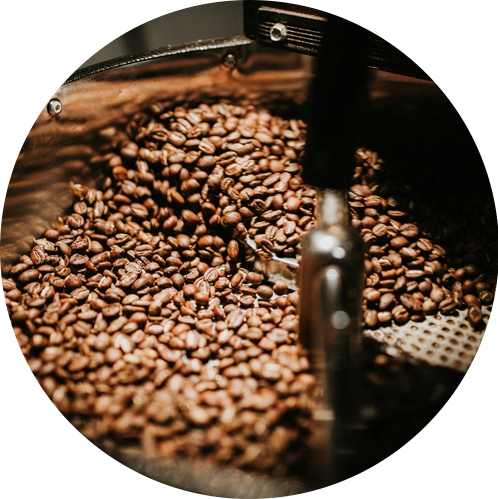 Coffee
-
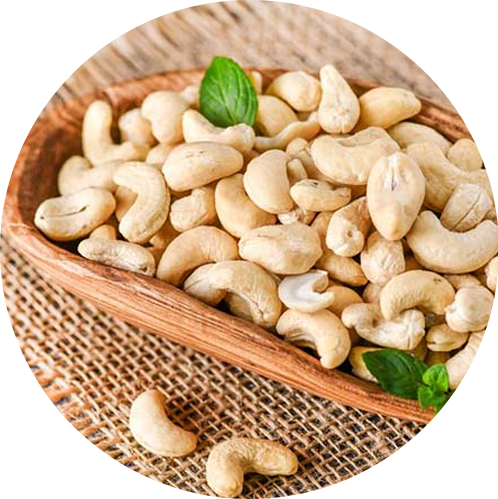 Cashew nuts
-
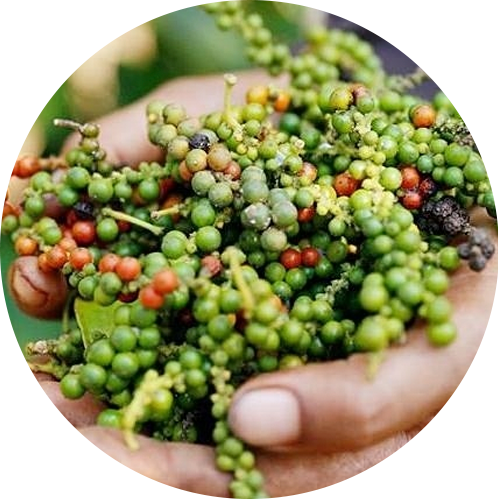 Pepper
Consumption trends in the market
Japanese import demand is shaped by many factors, such as shrinking farmland, an ageing farming population and changing consumer tastes.
-
Safe, high-quality food comes first
Japanese consumers set very high standards for food safety, clear provenance and environmental criteria. They tend to favour products that are certified safe, chemical-free, organic and environmentally friendly.
-
Rising use of functional and organic food
Japanese people care more and more about health, which is driving sharp growth in demand for functional food, nutrient-rich food and organic products. The trend is especially clear among middle-aged and older groups.
-
Ready-prepared and convenient food
With busy lifestyles, demand keeps rising for agricultural products that are pre-processed or easy to prepare, such as pre-cut and packaged fruit and vegetables. It reflects a shift from cooking at home to buying ready-made to save time.
-
A preference for traditional and local food
Japanese people still consume traditional foods such as rice, fish and seaweed at a high rate, yet they are also willing to try new products, particularly from countries with a similar food culture.
The relationship between Vietnam and Japan is not merely economic and trade cooperation — it is a sincere friendship built on trust, understanding and respect.
Advantages
-
Strong demand in the Japanese market
Japan is one of the largest markets for imported agricultural products and food. Vietnam is strong in seafood, coffee, fruit and vegetables, rice and nuts. Demand keeps rising, particularly from Asian communities, including nearly 500,000 Vietnamese people living in Japan.
-
Trade agreements
Vietnam and Japan are both party to several free trade agreements, such as the ASEAN–Japan Comprehensive Economic Partnership (AJCEP), which reduce or waive duties on many agricultural goods. Import duty on bananas from Vietnam, for example, is now 0%.
-
Steadily improving product quality
Vietnam has succeeded in meeting strict food safety standards such as JFS-C, making it easier for Vietnamese agricultural products to enter the Japanese market.
Challenges
-
High quality standards
Japan is a demanding market for safety and quality standards, requiring imported produce to pass strict quarantine procedures, including control of pesticide and chemical residues. Vietnamese businesses have to invest heavily in quality control.
-
Competition from other countries
Vietnam is not an exclusive supplier to Japan. Countries such as Thailand and the Philippines also export many agricultural products, making the market highly competitive.
-
Price and supply stability
Some Vietnamese agricultural products still face swings in output and price, which makes it hard to guarantee stable supply to the Japanese market.
Our reach
-
A rich data source of more than 5 million Japanese businesses.
-
Automatically find leadership contact points at ANY Japanese company.
-
Manage leads, opportunities and prospects on a single platform.
A complete growth solution for agricultural businesses
-
Marketing strategy consulting
Adjusting segmentation, targeting and positioning specifically for the Japanese market.
-
Sales network development
A tailored approach to building effective websites and landing pages that appeal to Japanese aesthetics and business culture.
-
Methodology and process development for B2B growth
Specialised processes and methods suited to the character of Japanese business.
-
Technology and tools
Recommending and providing technology solutions such as SFA and CRM, optimised for the Japanese market.
-
Training and methodology transfer
Comprehensive training programmes designed to overcome cultural and language barriers.
Why choose our solution
- Maximum saving of company resources: time, cost and people.
- Simplify the process of finding and reaching prospects.
- Seize opportunities early and bring technology into your business.
- Advice and support from leading, dedicated experts.
Contact us
We are glad to answer your questions and to help you explore the opportunity of exporting agricultural products to the Japanese market.
Connect now